Where Transaction Speed Meets Game Variety: Unpacking Loyalty Pathways in Blended Casino Environments
Vera Schmitz · Aug 20, 2026
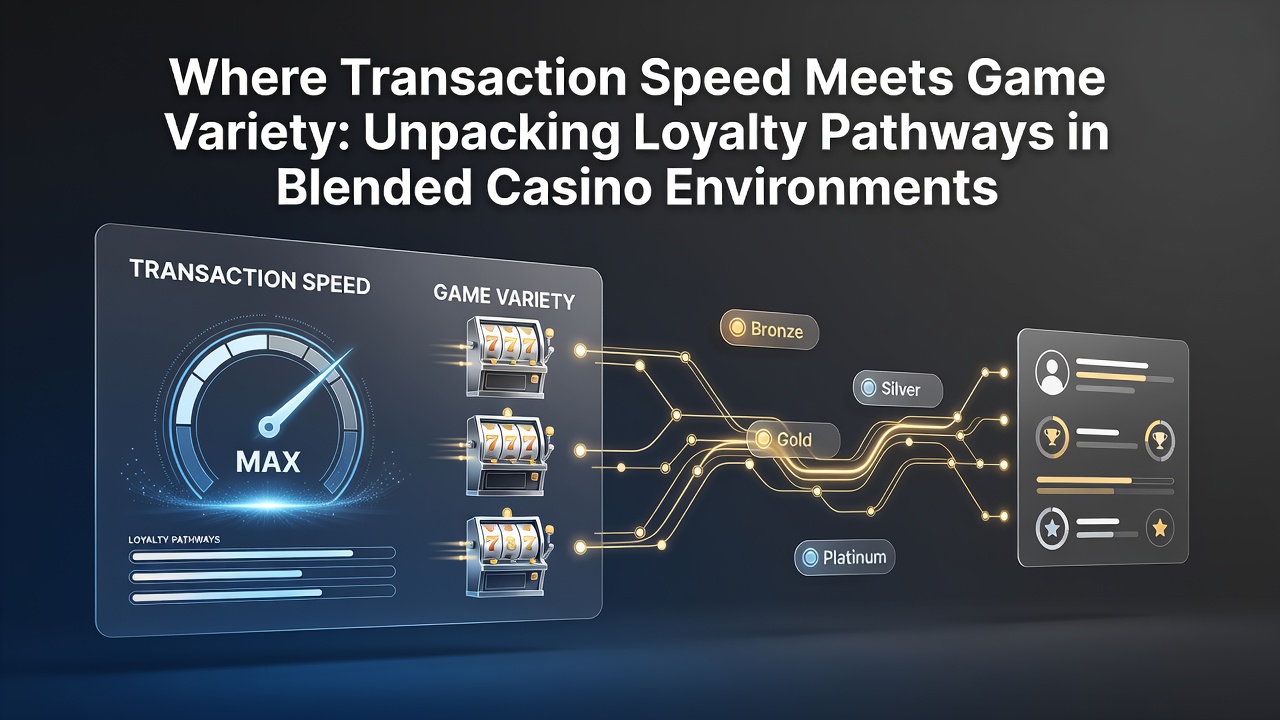
Where Transaction Speed Meets Game Variety: Unpacking Loyalty Pathways in Blended Casino Environments
Blended casino environments combine online slots, live dealer tables, and instant payment systems into single platforms where players move between game types without switching accounts or waiting for separate verifications. Data from industry reports show these setups grew in adoption through 2025 and into 2026 as operators integrated faster processing for deposits and withdrawals with expanded libraries that include hundreds of titles across categories. Operators track player movement across slots, roulette, blackjack, and video poker through unified loyalty systems that award points based on total activity rather than isolated game sessions. Figures from the American Gaming Association indicate hybrid models accounted for increased revenue shares in regulated markets by mid-2026, driven by seamless transitions that keep engagement high.Transaction Speed as a Core Feature
Payment processing times now average under 30 seconds for many approved methods in blended platforms, according to transaction logs shared in sector analyses. E-wallets and certain bank transfers complete deposits instantly while withdrawals reach accounts within hours when verification criteria are met upfront. This speed allows players to shift from one game category to another without interruption, since balances update in real time across the entire portfolio.
Studies from university research groups, including those at the University of Nevada, Las Vegas, document how reduced latency correlates with longer session durations in environments offering both digital reels and live dealer streams. Players complete more spins or place additional table bets when funds appear available immediately after each round.
Game Variety Expanding Player Options
Blended sites typically host over 1,000 titles that span progressive jackpots, themed video slots, classic table games, and live streamed experiences with real dealers. Variety extends to mechanics such as Megaways, cluster pays, and multiplier features alongside traditional three-reel formats, creating multiple entry points for different preferences. Reports compiled by the Canadian Gaming Association note that platforms with this range see higher retention rates because participants explore new categories without leaving the ecosystem.
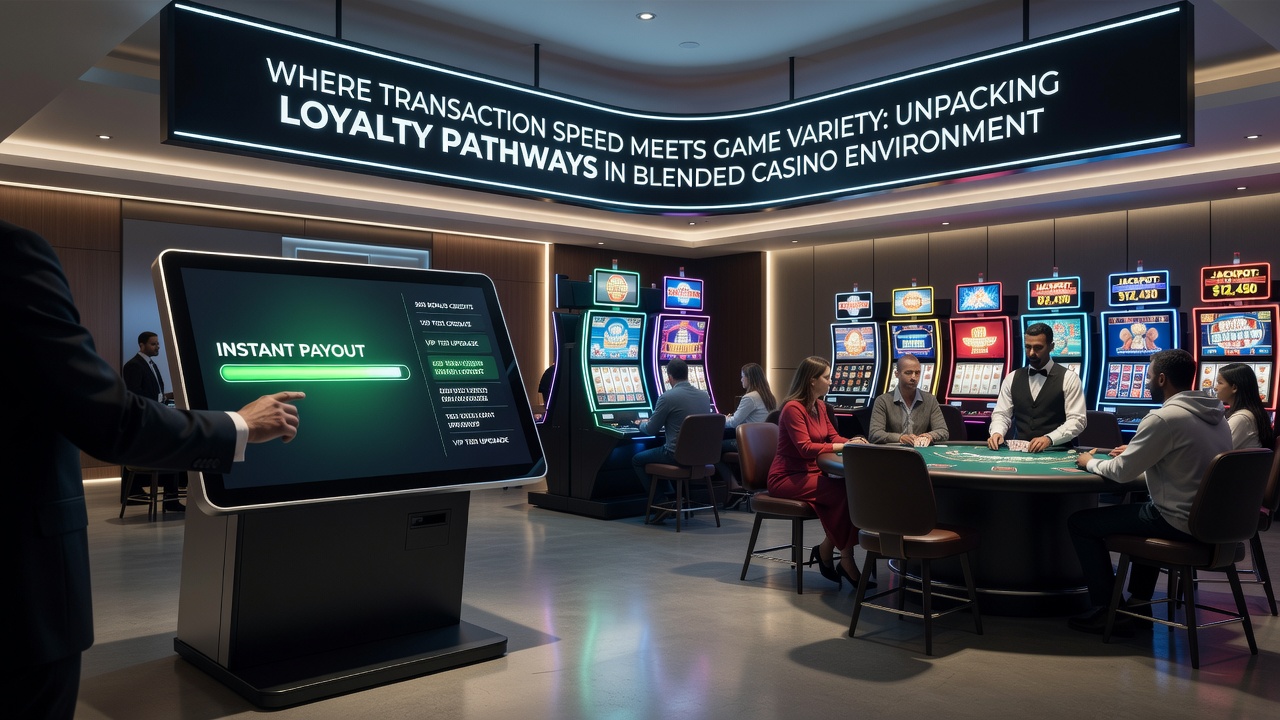
Live dealer sections integrate with slot interfaces through shared wallets and bonus systems, enabling users to apply slot-derived loyalty credits directly to table minimums or vice versa. This crossover design emerged as a standard feature by August 2026, with operators updating software to support simultaneous play across device types.
Loyalty Pathways Built on Combined Metrics
Loyalty structures calculate tier progression using combined data from transaction volume, game count, and session frequency rather than single-metric tracking. Points accumulate from both slot wagers and live table play, with multipliers applied during promotional windows that reward rapid deposit activity. One documented case from a European operator showed players reaching mid-tier status 40 percent faster when platforms processed payments in under one minute compared to legacy systems.
Redemption options include cashback on net losses, free rounds across slot libraries, and entry into exclusive live tournaments. Data compiled in 2026 industry summaries reveal that pathways incorporating speed bonuses, such as extra points for same-day withdrawals, produce measurable increases in repeat visits across multiple game types.
Integration in Blended Settings
Blended environments merge these elements by routing all activity through a single dashboard where transaction history, game history, and loyalty status appear together. Software updates rolled out in early 2026 enabled real-time point allocation during live dealer sessions that also credit slot play completed minutes earlier. Observers note that this unified view reduces friction, allowing participants to maintain momentum whether they focus on high-volatility reels or strategic table decisions.
Regional examples from markets outside the UK demonstrate similar patterns, with Australian and North American platforms reporting parallel growth in hybrid usage. External research links from sources like the American Gaming Association highlight how regulatory frameworks in those areas support faster payment rails alongside diverse licensing for game providers.
Developments Observed in 2026
By August 2026 several operators had introduced tiered loyalty accelerators tied directly to payment method choices, granting bonus points when users select instant options that clear within seconds. This approach aligns transaction speed with game variety by encouraging exploration of new titles funded through quick top-ups. Figures released in quarterly summaries from multiple jurisdictions confirm elevated activity levels in accounts that utilize both features simultaneously.
Technical integrations continue to evolve, with APIs connecting payment processors to game servers for automatic balance reflection across categories. Research papers from academic institutions track these changes and report consistent patterns of increased cross-category play when processing delays drop below industry averages.
Conclusion
Blended casino environments demonstrate measurable connections between transaction speed, game variety, and structured loyalty pathways through aggregated platform data. As of August 2026 these systems operate with unified metrics that reward combined usage across slots and live tables. External sources such as the Nevada Gaming Control Board provide ongoing statistics that track adoption and performance in regulated settings, offering continued reference points for how these elements interact at scale.