Understanding Bonus Transfer Systems Across Hybrid Slot and Table Game Platforms Equipped with Rapid Payment Processing
Finley Franke · Aug 11, 2026
Understanding Bonus Transfer Systems Across Hybrid Slot and Table Game Platforms Equipped with Rapid Payment Processing
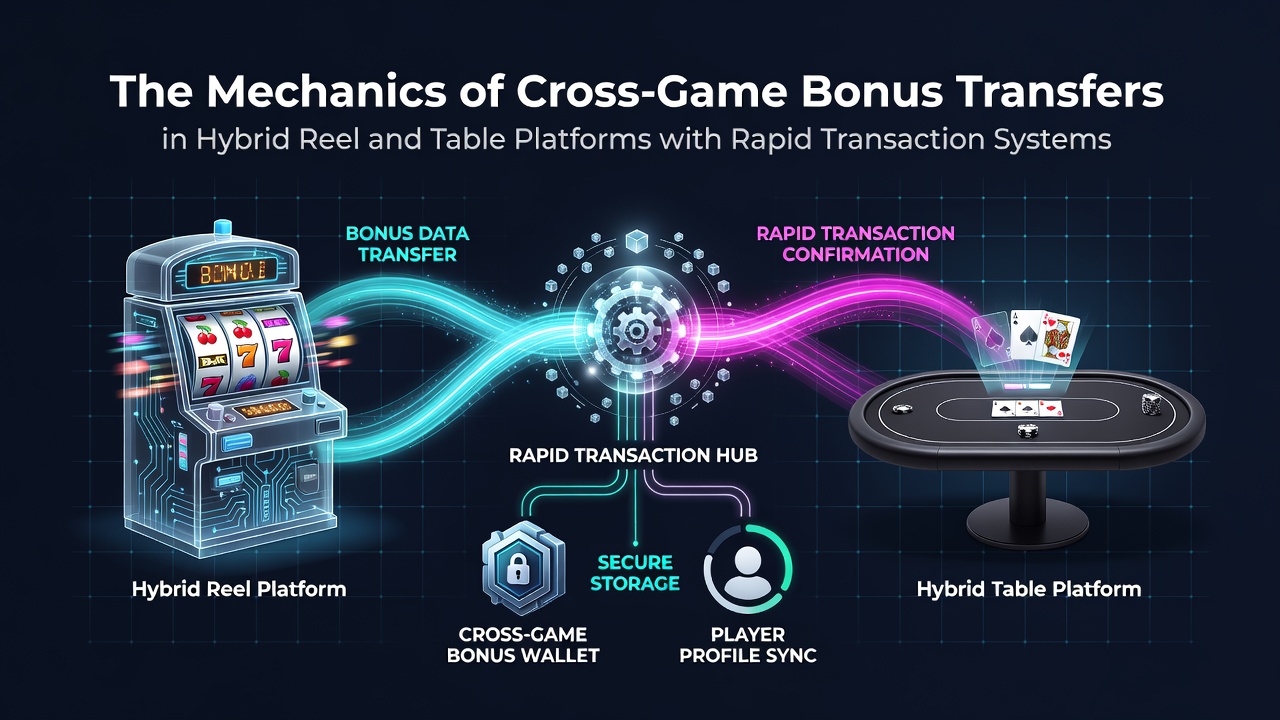
Hybrid platforms combine reel-based games with table formats through unified player accounts, and cross-game bonus transfers allow value to move between these environments via integrated ledgers that update in real time. Data from industry reports shows these systems rely on API connections that synchronize bonus balances across game servers while maintaining separate tracking for each title category.
Core Technical Architecture
Platform operators deploy centralized bonus engines that assign unique identifiers to promotional funds, and these identifiers carry rules that dictate where and how transfers can occur. When a player initiates a move from a reel game bonus to a table game credit, the system validates eligibility through rule sets that check wagering progress, game type compatibility, and remaining validity periods before executing the shift.
Rapid transaction systems handle these movements with payment gateways that process requests in under three seconds on average, according to benchmarks published by the Nevada Gaming Control Board. Multiple databases mirror the same transaction state across regional servers, which reduces latency and supports simultaneous access from mobile and desktop clients.
Regulatory and Compliance Layers
Authorities in various jurisdictions require audit trails for every bonus transfer, so platforms record timestamps, originating game, destination game, and player identifier in immutable logs. The Australian Communications and Media Authority has documented similar requirements in its digital gambling oversight framework, emphasizing that operators must demonstrate clear separation between cash and bonus balances at all times.
August 2026 brought updated reporting standards in several markets that now mandate daily reconciliation files for cross-game movements, and these files must include aggregated statistics on transfer volumes alongside individual transaction hashes for verification purposes.
Transaction Flow Mechanics
Players select a transfer amount within the platform interface, after which the bonus engine locks the source balance temporarily to prevent double allocation during processing. The system then applies conversion rates if the games use different internal multipliers, converts the value, and credits the target balance while releasing the lock once confirmation returns from both game servers.
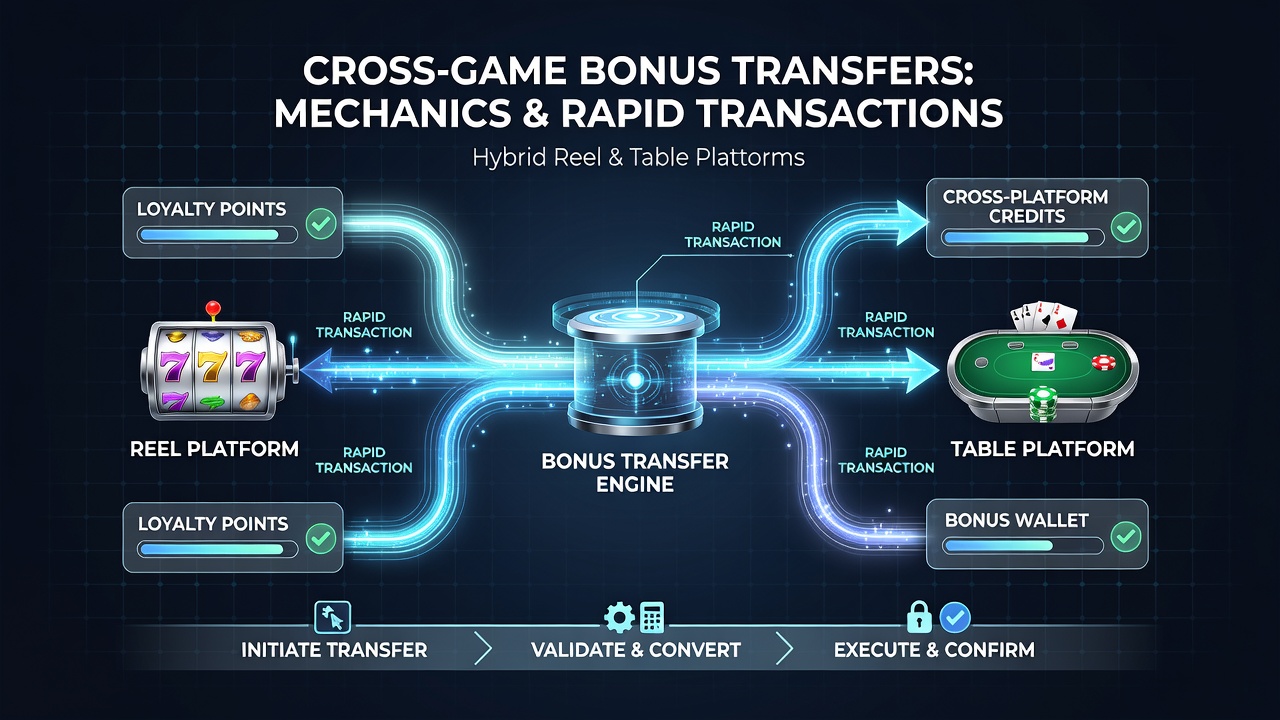
Observers note that middleware layers often sit between the front-end application and the core gaming servers, and these layers manage queue prioritization so high-value transfers receive expedited routing without interrupting standard gameplay sessions. Error handling routines automatically reverse incomplete transfers and notify the player through in-app messages while logging the incident for later review.
Security and Fraud Prevention Measures
Encryption protocols secure data packets during transfer, while tokenization replaces actual bonus identifiers in transit to limit exposure. Research from the University of Nevada's gaming technology studies indicates that platforms using multi-factor authentication at the point of transfer experience significantly lower rates of unauthorized movement attempts compared with single-step verification models.
Pattern recognition algorithms scan for rapid back-and-forth transfers that might signal abuse, and these algorithms flag accounts for manual review when thresholds such as five or more movements within a single hour are exceeded. Industry associations like the European Gaming and Betting Association publish guidelines that recommend regular algorithm recalibration to match evolving player behavior data.
Player Experience and Interface Design
Interfaces present transfer options through dedicated menu sections that display available balances for each game category side by side. Tooltips explain remaining wagering requirements that may carry over after a transfer, helping users understand how the move affects overall progress toward cashout eligibility.
Case examples from platform analytics show that users who complete cross-game transfers tend to extend session lengths by an average of twelve minutes compared with those who remain in a single game type, though individual results vary based on game selection and bonus size. Platforms often surface suggested transfer amounts based on current promotions to streamline decision making.
Conclusion
Cross-game bonus transfers in hybrid reel and table platforms depend on tightly integrated technical systems that prioritize speed, compliance, and security while delivering seamless movement of promotional value. Continued evolution in transaction processing speeds and regulatory reporting standards will shape how these mechanics operate in coming periods, with data from multiple oversight bodies providing the benchmarks operators use to refine their implementations.