Transaction Pathways: How Payment Selections Shape Rewards in Hybrid Slot and Live Dealer Environments
Vera Schmitz · Jun 21, 2026

Transaction Pathways: How Payment Selections Shape Rewards in Hybrid Slot and Live Dealer Environments
Payment method selections connect directly to reward structures across platforms that combine traditional slot mechanics with live dealer interactions, and data from multiple markets reveals consistent patterns in how these choices affect bonus access, processing speeds, and loyalty progression. Hybrid environments merge reel-based outcomes with real-time table elements, which creates opportunities for operators to tie transaction efficiency to tiered incentives that players encounter during both automated spins and interactive sessions.
Blended Gaming Mechanics and Their Integration with Financial Systems
Hybrid titles often allow seamless movement between slot rounds and live dealer features on the same interface, while transaction systems must support rapid deposits that fund both automated and human-hosted elements without interruption. Observers note that platforms synchronizing these game types frequently align payment gateways with reward triggers, such as instant credit for live bet placements following a successful slot sequence. Research indicates that processing times under thirty seconds correlate with higher engagement rates in these mixed formats, because delays can interrupt the flow between reel results and dealer interactions.
Payment Categories and Their Distinct Influence on Player Progression
Traditional card payments, e-wallets, bank transfers, and cryptocurrency options each carry different processing profiles that affect reward eligibility in hybrid settings. E-wallet transactions typically enable same-day verification for loyalty points, whereas certain card networks introduce additional authentication layers that postpone access to combined reel-and-live bonuses. Crypto pathways sometimes bypass intermediary holds entirely, which accelerates progression toward VIP milestones that unlock exclusive hybrid table limits and reel multipliers. Figures from industry reports show that users opting for faster-settling methods accumulate reward balances at rates up to forty percent higher than those relying on slower channels during comparable play volumes.
But here's the thing, regulatory frameworks in various jurisdictions shape which methods receive priority treatment for bonus qualification. In June 2026, updates across several markets emphasized real-time verification standards that reward operators integrating multiple payment rails with streamlined compliance checks, allowing hybrid games to maintain continuous play cycles while crediting loyalty tiers without manual review delays.
Linking Transaction Speed to Hybrid Reward Triggers
Speed of fund movement influences how quickly players reach thresholds that activate combined rewards, such as free reel spins paired with live dealer cashback offers. Platforms that prioritize instant settlement methods report elevated conversion rates from standard play into premium hybrid features, because quicker deposits translate into more frequent participation across both game modes. Studies from academic sources highlight that transaction latency directly impacts retention metrics in environments where players alternate between automated and live elements within single sessions.
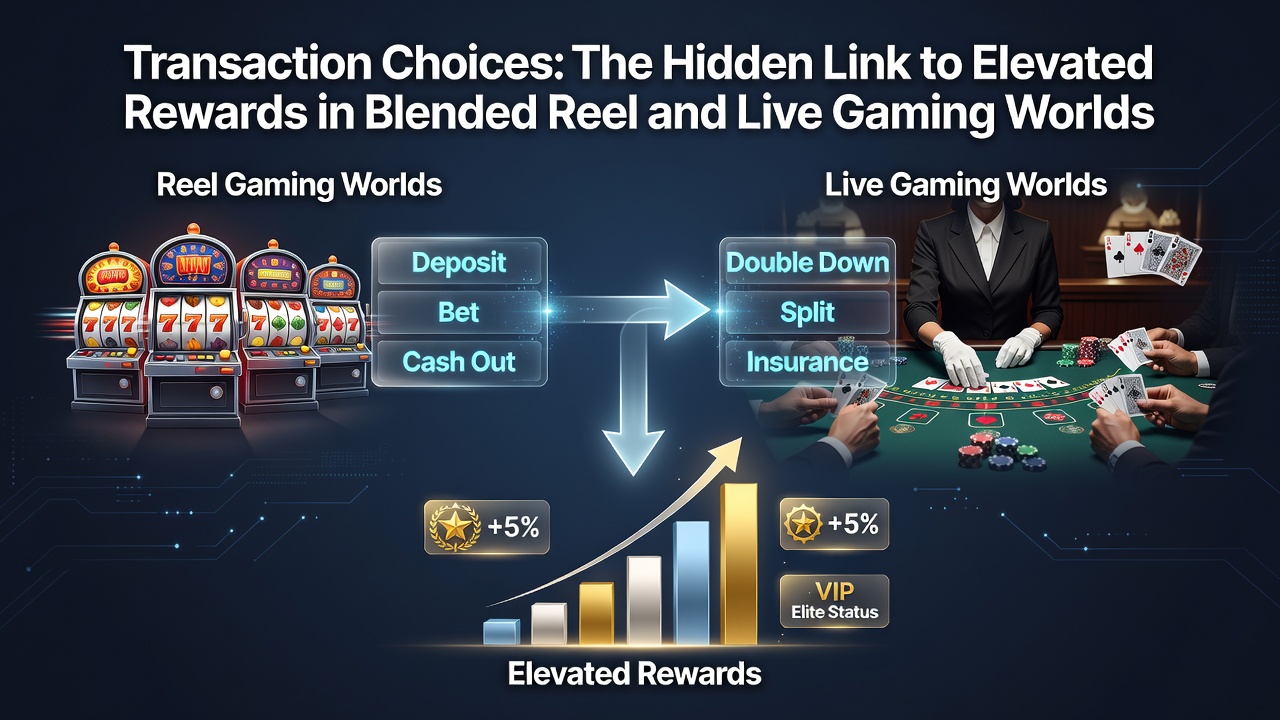
Turns out that loyalty programs in these blended worlds often calibrate point multipliers according to payment type, with certain e-wallet and crypto routes receiving enhanced accrual rates during promotional windows. This structure encourages players to select methods that align with their preferred reward pathways, whether those involve rapid reel bonus unlocks or sustained live table privileges. Data shows that operators tracking these patterns adjust incentive structures quarterly to reflect shifting preferences across player segments.
Regional Variations in Transaction Reward Linkages
European markets demonstrate higher adoption of instant banking options that feed directly into hybrid loyalty ladders, while North American platforms continue expanding crypto integrations that reduce friction for cross-border participants. A report from the American Gaming Association outlines how payment diversity supports expanded hybrid offerings, with faster methods correlating to increased time spent alternating between reel and live formats. Australian regulatory data similarly tracks how approved gateways influence reward distribution in mixed gaming products, revealing measurable differences in average session rewards based on deposit velocity.
What's interesting is the emergence of unified wallets that consolidate multiple methods under one interface, which simplifies access to blended rewards without requiring players to switch accounts mid-session. These systems often embed automatic compliance checks that maintain eligibility for ongoing promotions across both slot and dealer components. Industry analyses indicate continued growth in such integrated solutions through mid-2026 as operators respond to demand for uninterrupted hybrid experiences.
Conclusion
Transaction choices function as a foundational element that determines reward accessibility and velocity within blended reel and live gaming frameworks. Payment method attributes such as settlement speed, verification requirements, and regional availability directly shape progression through loyalty structures that span automated and interactive game modes. Evidence from multiple regulatory and industry sources demonstrates that alignment between financial systems and hybrid mechanics produces measurable differences in player outcomes, with faster and more versatile options consistently linked to elevated reward accumulation across diverse markets.