Tiered Membership Structures Advance Through Spin Incentives and Varied Transaction Methods in Hybrid Gaming Settings
Uma Fischer · Jun 9, 2026
Tiered Membership Structures Advance Through Spin Incentives and Varied Transaction Methods in Hybrid Gaming Settings
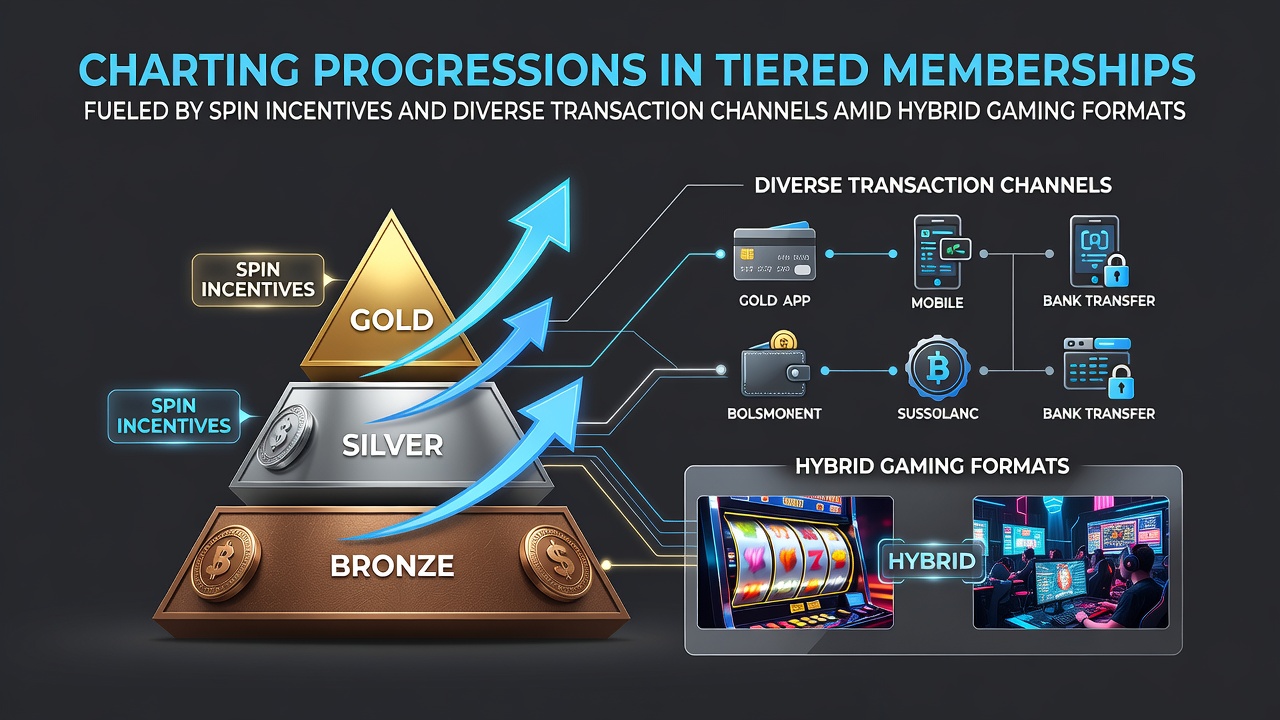
Hybrid gaming formats continue to reshape how operators structure loyalty programs and observers note that tiered memberships now integrate spin incentives directly with payment flexibility to support player progression across mobile, desktop, and live environments. Data from multiple markets shows operators adjusting these systems in response to player behavior patterns that blend slot sessions with live dealer interactions while transaction channels expand to include instant bank transfers, digital wallets, and cryptocurrency options.
Core Elements of Tiered Membership Progression
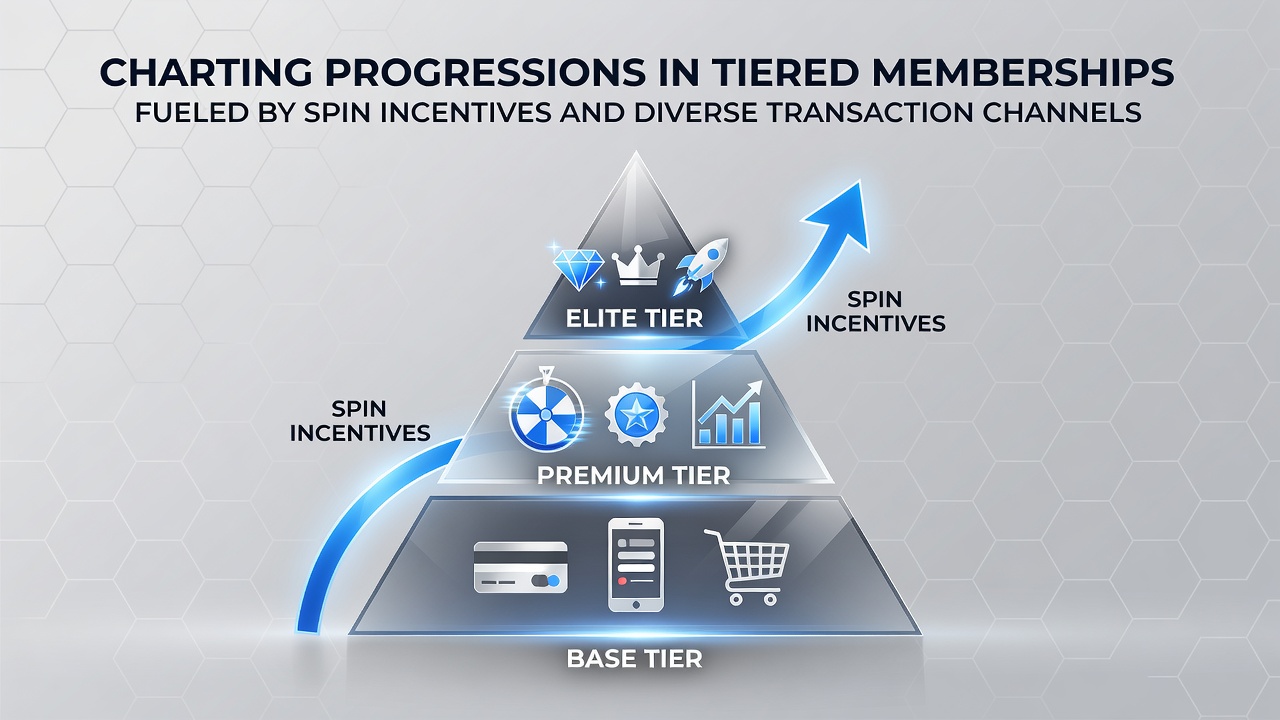
Operators track player activity through points accumulated from spins and wagers then convert those metrics into tier advancements that unlock additional spin rewards and payment perks, and research from industry bodies indicates this structure encourages sustained engagement because each tier delivers measurable benefits such as increased free spin allocations or faster processing times on withdrawals. Those who study loyalty mechanics report that progression speed varies by format with hybrid sessions often accelerating point accumulation when players switch between slot reels and live tables within the same account session.
Spin Incentives as Primary Drivers
Free spin packages serve as the main catalyst for tier movement because they provide immediate play value that compounds across sessions and figures from platform analytics reveal players who receive tier-specific spin bundles tend to maintain higher activity levels over consecutive months. In June 2026 operators began testing dynamic spin allocations that adjust based on real-time hybrid play data allowing members in mid-tier brackets to receive bonus spins triggered by live dealer outcomes that feed back into slot progressions.
Payment channel diversity further supports these incentive structures by reducing friction during deposits and withdrawals so members can move between channels without interrupting their point earning sequences. Studies conducted by academic researchers at institutions focused on digital commerce highlight how seamless transaction options correlate with faster tier climbs because players maintain momentum rather than pausing to resolve payment issues.
Transaction Channels Expanding Access
Multiple payment methods now operate in parallel within single platforms enabling members to select options that align with their regional banking preferences while still earning identical loyalty points and transaction logs from iGaming Ontario demonstrate that platforms offering five or more channels see higher retention rates among tiered members who frequently switch between methods during extended hybrid sessions. Operators integrate these channels with automated reward triggers so a deposit via one method can immediately unlock spin incentives tied to the player's current tier level.
Hybrid gaming formats create additional complexity because live dealer segments often require different settlement speeds than automated slot rounds yet tier systems unify the tracking across both and data compiled by the American Gaming Association shows unified point ledgers increase progression consistency for members who alternate between live tables and slot machines throughout a single login period.
Integration Patterns Observed in 2026
By June 2026 several platforms had synchronized spin incentive schedules with payment channel promotions creating limited-time events where deposits through specific methods doubled the spin rewards applied toward tier advancement and external reports from the European Gaming and Betting Association confirm these coordinated campaigns produce measurable lifts in cross-format participation. Members who engage with both slot and live elements within hybrid sessions accumulate points at rates that reflect the combined activity rather than isolated format performance.
Those monitoring these developments note that transaction channel variety also influences which spin incentives become available at each tier because operators link certain payment methods to exclusive reward pools that only higher-tier members can access after meeting combined volume and frequency thresholds. This linkage encourages players to explore new channels while pursuing progression milestones that remain consistent regardless of whether the activity occurs on mobile or through desktop live dealer interfaces.
Conclusion
Tiered membership frameworks continue evolving as operators refine how spin incentives interact with expanding transaction options inside hybrid gaming environments and records from multiple regulatory regions demonstrate steady growth in member progression rates when these elements align. The patterns established through 2026 indicate further integration between payment flexibility and reward structures will remain central to how platforms manage loyalty across blended formats.