Mapping Advancement Routes: Payment Diversity Accelerates Movement Through Loyalty Tiers in Slot Programs
Tina Keller · Jun 25, 2026
Mapping Advancement Routes: Payment Diversity Accelerates Movement Through Loyalty Tiers in Slot Programs
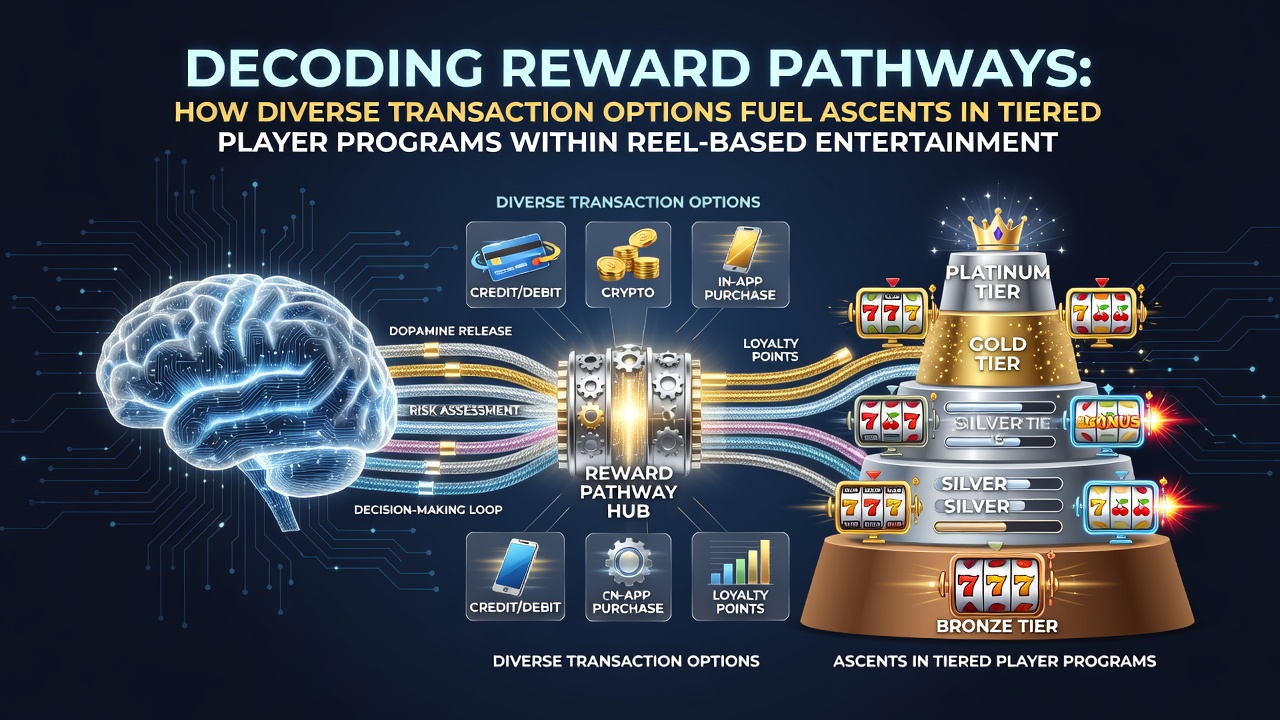
Slot entertainment platforms maintain structured loyalty frameworks where participants advance through multiple tiers based on accumulated activity, and varied transaction channels play a central role in sustaining the momentum required for those climbs, according to industry analyses from mid-2026. Payment options range from traditional bank transfers and credit facilities to digital wallets and emerging cryptocurrency routes, each carrying distinct processing speeds and bonus eligibility rules that align with specific program requirements.
Core Components of Tiered Reward Structures
Tiered programs typically segment players into levels such as entry, intermediate, and premium categories, with advancement determined by metrics including total wager volume, session frequency, and deposit consistency. Observers note that these systems reward sustained engagement rather than isolated transactions, yet the method chosen for funding accounts directly influences how quickly thresholds are met because faster approvals reduce downtime between play periods. Research from North American regulatory bodies indicates that platforms integrating multiple gateways experience higher average retention rates across all tiers during periods of regulatory stability.
Transaction Channels and Their Functional Impact
Bank transfers provide reliability for larger sums yet often involve multi-day settlement windows that can interrupt momentum toward the next tier, whereas e-wallet services complete verifications within minutes and frequently qualify for instant bonus credits that count toward activity requirements. Cryptocurrency options have gained traction in several jurisdictions by June 2026, with data from Canadian provincial oversight agencies showing reduced processing friction that allows continuous participation without the pauses associated with conventional banking rails. Mobile payment integrations further streamline the process by linking directly to player profiles, enabling seamless top-ups that align with real-time tracking of loyalty points.
Interaction Between Methods and Program Algorithms
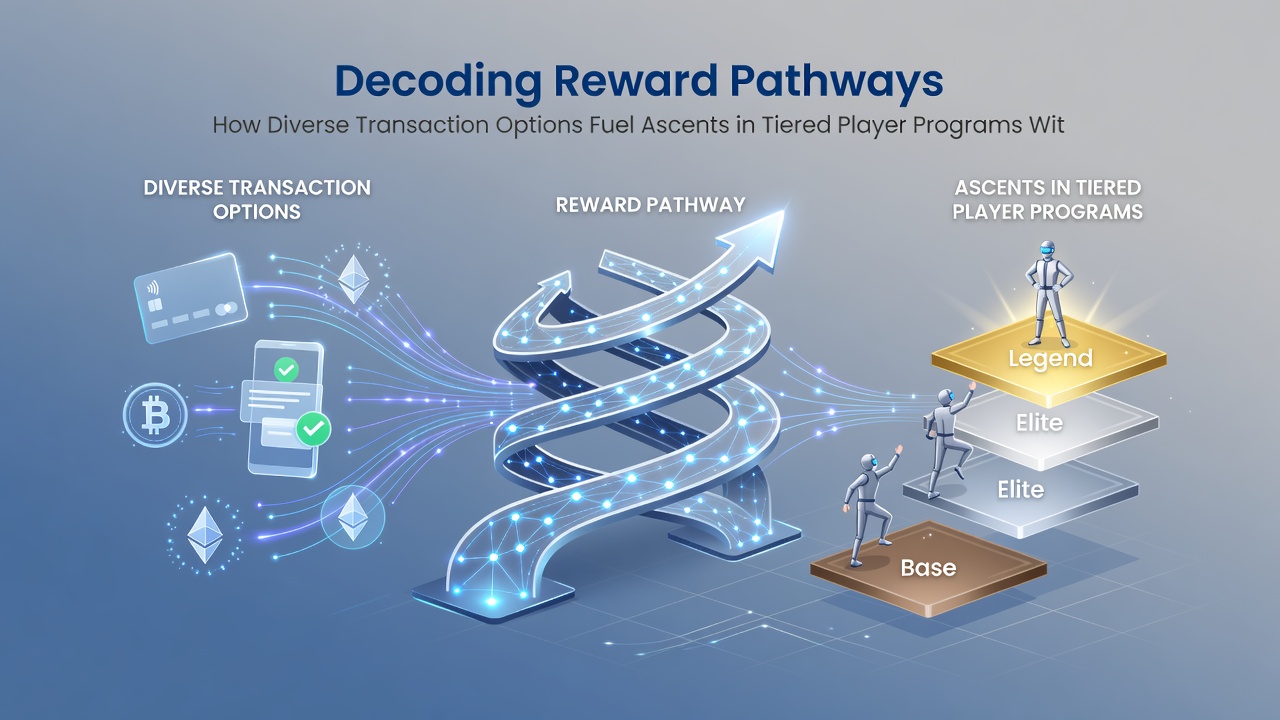
Algorithms governing tier movement evaluate not only the monetary value of transactions but also their velocity and diversity, meaning players who rotate across several approved channels often accumulate qualifying activity faster than those relying on a single route. Industry reports compiled by Australian state gaming authorities highlight cases where diversified payment histories correlated with accelerated upgrades because each method contributed unique verification markers that satisfied internal compliance checkpoints. This layered approach reduces the risk of stalled progression when one channel encounters temporary verification delays.
What's notable is the way promotional structures tie into these pathways: certain deposit methods unlock multiplier events on points earned, effectively compressing the timeline needed to reach higher tiers. Platforms track these interactions through centralized dashboards that update loyalty balances immediately upon transaction confirmation, giving participants clear visibility into remaining requirements.
Regional Patterns Observed in June 2026
European market reviews from that period documented increased adoption of instant-payment solutions coinciding with expanded tiered offerings, while North American operators emphasized integration with established banking networks to maintain compliance standards. Figures released by oversight organizations in multiple provinces revealed measurable upticks in tier advancement rates when at least three distinct transaction categories were actively supported. These patterns suggest that breadth of options functions as an operational accelerator rather than a mere convenience feature.
Operational Examples Across Platforms
Take one mid-sized operator that introduced cryptocurrency alongside existing card and wallet options in early 2026; subsequent internal metrics showed participants using the new channel reached intermediate tiers 18 percent sooner on average than peers using legacy methods alone. Another instance involved a program that granted supplementary points for verified cross-method activity, resulting in broader distribution of premium-level memberships without altering base wager thresholds. Such adjustments demonstrate how transaction variety integrates into existing reward calculations while preserving the integrity of advancement criteria.
Conclusion
Transaction diversity operates as a structural element within slot loyalty architectures, directly modulating the pace at which players satisfy tier criteria through differences in speed, eligibility triggers, and verification compatibility. Data compiled through June 2026 across several regulatory environments confirms that platforms offering multiple channels support more consistent progression patterns, with each method contributing distinct operational advantages to the overall system. Continued expansion of supported gateways is expected to further align payment infrastructure with the algorithmic demands of tiered reward tracking.