Following the Trail from Welcome Bonuses to Advanced Loyalty Programs in Slot Gaming Sites
Vera Schmitz · Jul 7, 2026
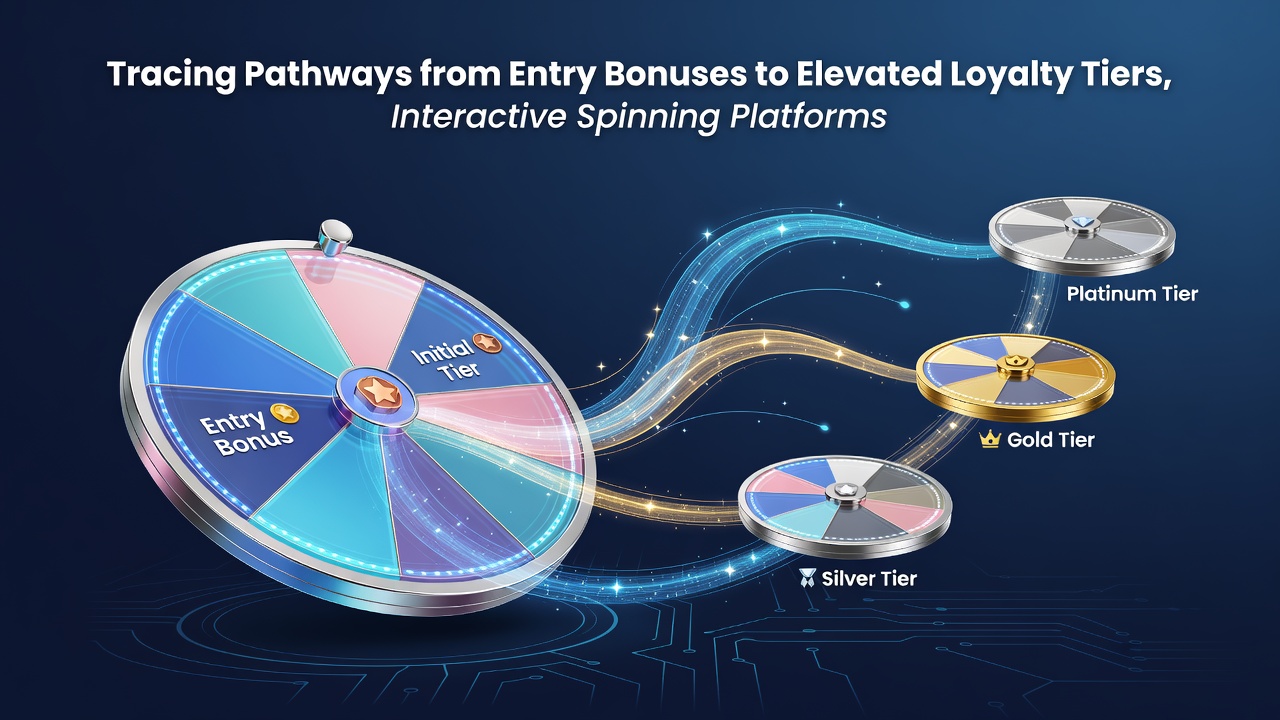
Following the Trail from Welcome Bonuses to Advanced Loyalty Programs in Slot Gaming Sites
Entry-level incentives in interactive spinning platforms often serve as the initial point of contact for new participants, and these offers typically include deposit matches along with free spin allocations that introduce core game mechanics without immediate financial commitment. Data from industry tracking services shows that players who redeem these starting packages demonstrate higher rates of continued activity in the first thirty days compared to those who bypass the offers entirely. Observers note that the structure frequently ties bonus funds to specific wagering requirements, creating a measured pathway that encourages repeated engagement while platforms monitor play patterns to identify promising candidates for advancement.
Initial Engagement and Point Accumulation Mechanics
Once participants begin spinning reels, most platforms convert activity into loyalty points through automated systems that track spins, bet sizes, and session duration, and these metrics feed directly into tier progression algorithms. Research indicates that a standard conversion rate awards one point per unit wagered, though some operators adjust multipliers during promotional windows to accelerate movement through lower levels. Those who've studied retention patterns find that players reaching the first tier upgrade often receive immediate perks such as cashback percentages or priority customer support, which in turn sustain momentum toward higher brackets. July 2026 saw several platforms refine these calculation models after regulatory updates in multiple jurisdictions prompted clearer disclosure of point values and expiry rules.
Progression Through Tier Structures
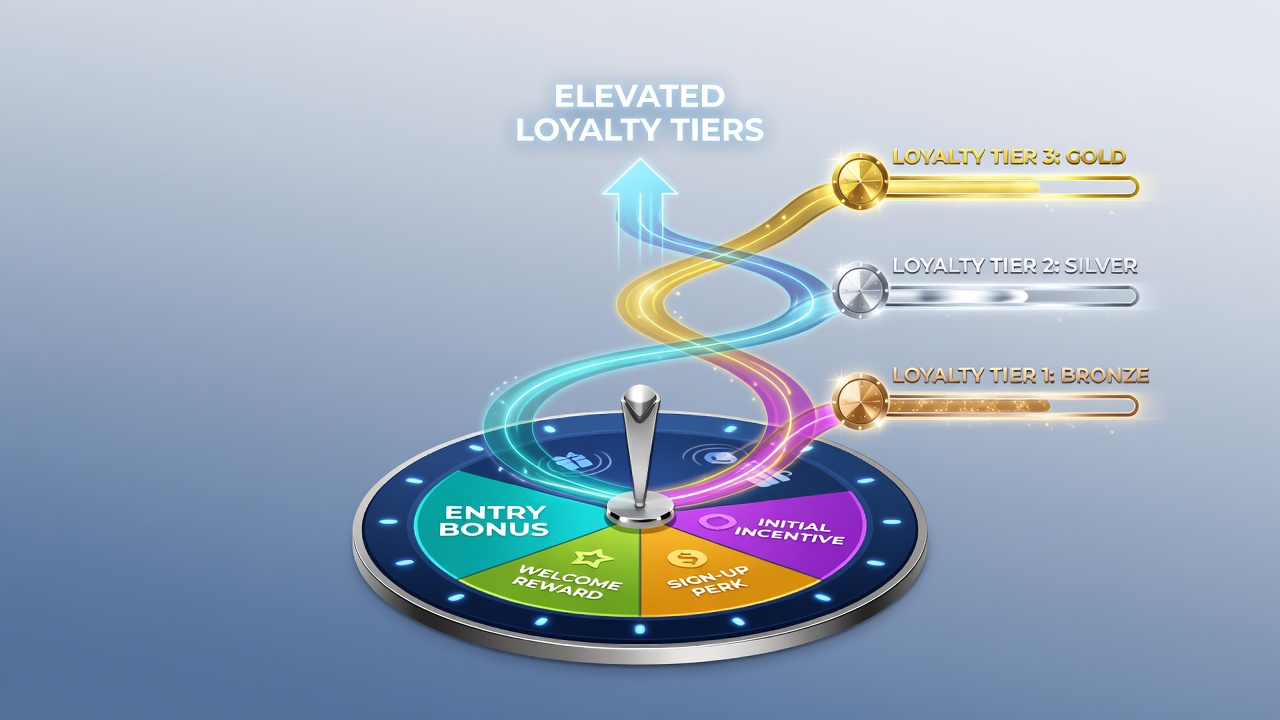
Loyalty ladders in these environments commonly feature four or five distinct levels, each unlocking incremental benefits that build upon the last, and movement between tiers depends on cumulative points earned over rolling periods rather than single large deposits. A player starting at bronze status might need five thousand points for silver access, which then grants enhanced bonus eligibility and reduced wagering thresholds on subsequent offers. What's interesting is how platforms layer additional qualifiers such as minimum monthly activity or specific game participation to prevent stagnation at intermediate stages. Evidence suggests that participants who combine entry bonuses with consistent point collection reach mid-tier status within three to six months on average, according to aggregated player behavior reports from the Canadian Gaming Association.
Bonus Integration at Higher Levels
Advanced tiers frequently incorporate personalized bonus structures that reference a player's historical data, and these tailored incentives often include higher-value free spin packages or exclusive jackpot contributions. The transition from generic welcome offers to these customized rewards marks a key shift because platforms use accumulated information to align promotions with individual preferences for volatility or theme. One study revealed that retention improves when loyalty members at gold or platinum levels receive invitations to limited-time events that combine bonus credits with leaderboard competitions. But here's the thing: the same systems that accelerate progress can also impose cooling-off periods if activity drops, requiring renewed point thresholds to maintain status.
External Factors Influencing Advancement Rates
Market conditions and technological updates also shape how quickly participants climb loyalty structures, while mobile optimization has enabled more frequent shorter sessions that still contribute meaningful points. Platforms that integrate seamless cross-device tracking report smoother transitions because players maintain momentum regardless of access method. Figures from the European Gaming and Betting Association highlight that operators offering instant point updates after each spin see faster tier movement among mobile users compared to desktop-only environments. And yet the core requirement remains consistent play volume, because no amount of bonus creativity replaces the underlying activity needed to satisfy algorithmic criteria.
Case Examples of Typical Pathways
Take one documented pattern where a participant redeems an initial fifty-percent deposit match plus twenty free spins, then converts those outcomes into enough points for bronze elevation within two weeks. From there, continued spins during weekly reload promotions push the account toward silver, unlocking a monthly cashback rate of five percent and an expanded selection of eligible games. Another trajectory shows slower accumulation when players focus exclusively on low-volatility titles, which generate fewer points per spin but allow longer sessions; platforms sometimes counter this by offering bonus multipliers on higher-volatility selections during targeted campaigns. These examples illustrate how entry incentives feed into the broader system without guaranteeing rapid advancement for every account.
Conclusion
The route from initial welcome packages to elevated loyalty positions in interactive spinning platforms follows predictable yet individualized sequences driven by point systems, activity thresholds, and periodic promotions. Platforms continue refining these structures to balance player retention with operational requirements, and data collected through July 2026 demonstrates that clear communication of tier benefits correlates with sustained participation across multiple levels. Those monitoring the sector observe that successful pathways depend on the alignment of bonus design with transparent progression rules rather than isolated promotional events.